
What is the Training Institute?
Some Fundamental Pedagogical Principles of the Institute
Like any educational system, it is based on fundamental pedagogical principles, methodology, central concepts and structures that help it achieve its purpose, such as the following:
The sequence of lessons is intended to help participants to walk a path of selfless social service to their fellow citizens.
We walk this path driven by a twofold sense of purpose – on the one hand, to contribute to our personal development, and at the same time to contribute to the collective transformation of society. The acts of selfless contribution that the institute’s lessons encourage seek to realize this twofold purpose.
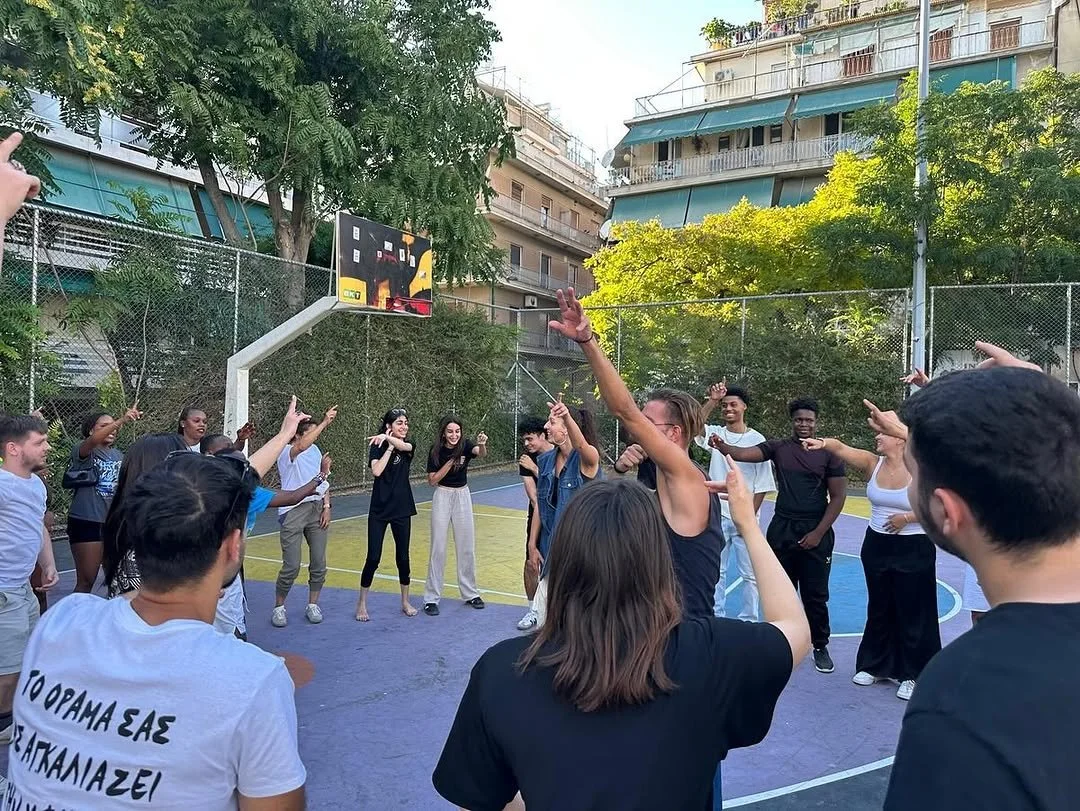
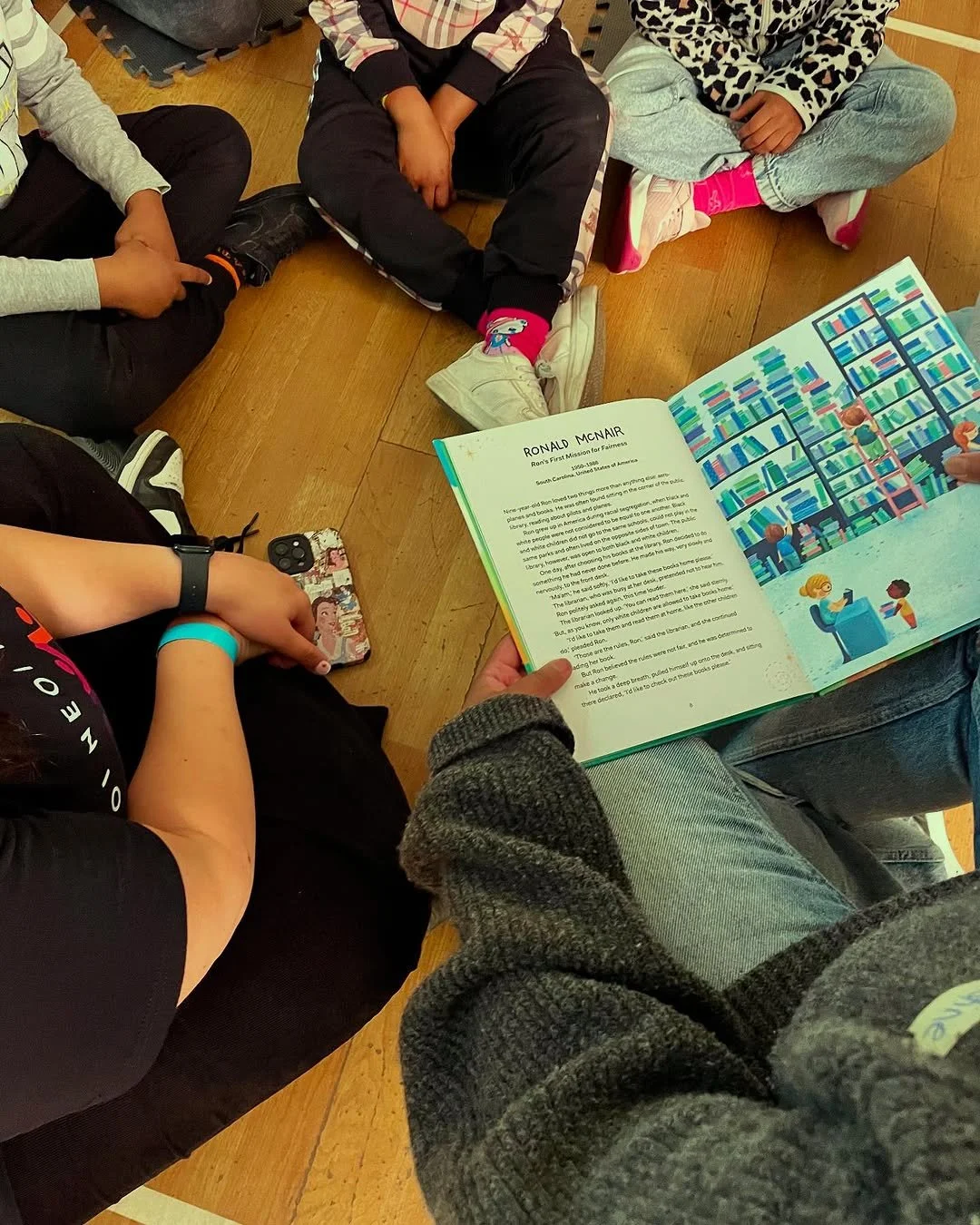
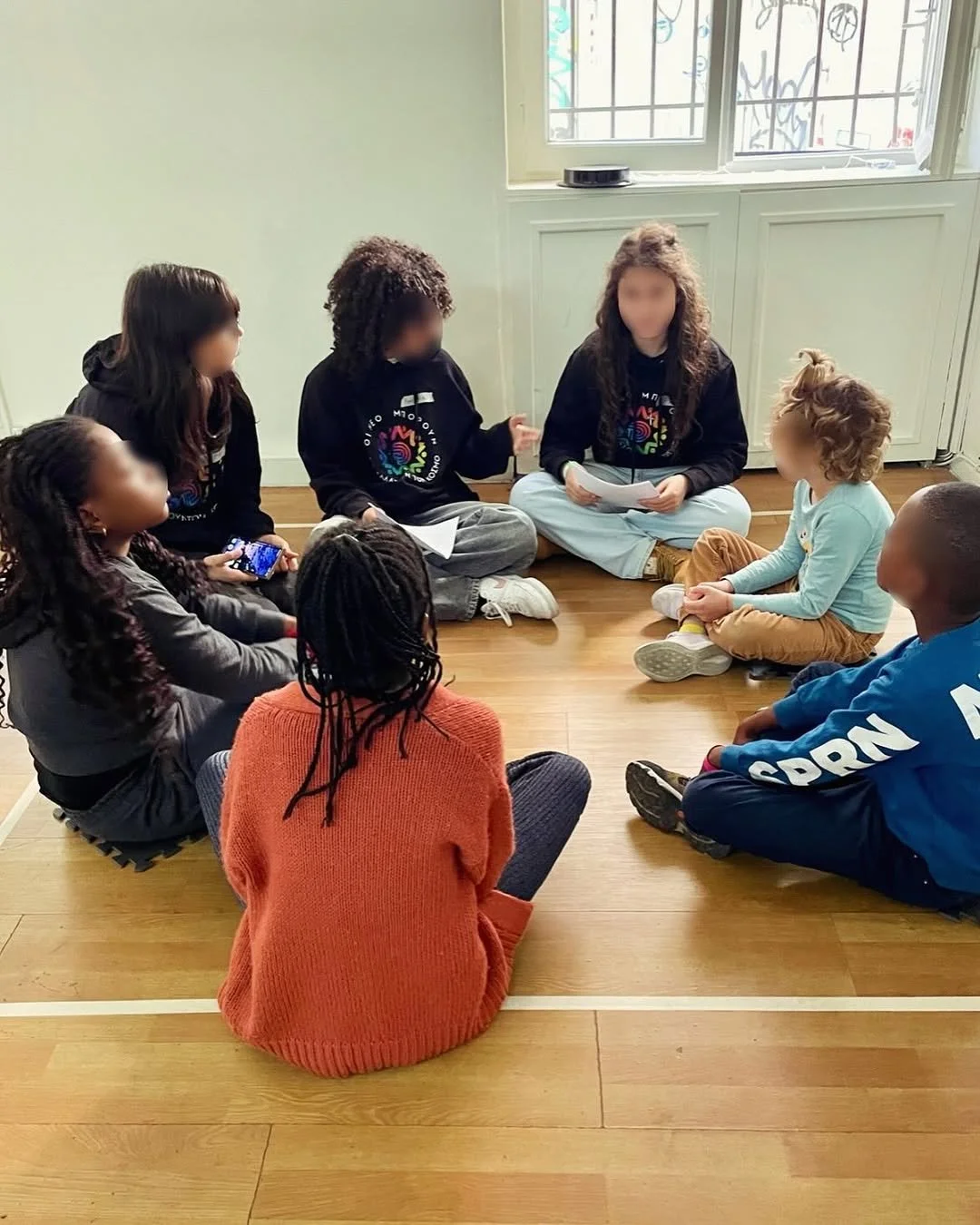
Another fundamental principle is the relationships it builds between generations of citizens. Through the institute, every citizen of a society, from children to adults, learns how to support each other, how to cooperate, and how to learn together, thus improving their lives and their society. In other words, the educational institute seems to build human relationships that are the foundations of a prosperous society.
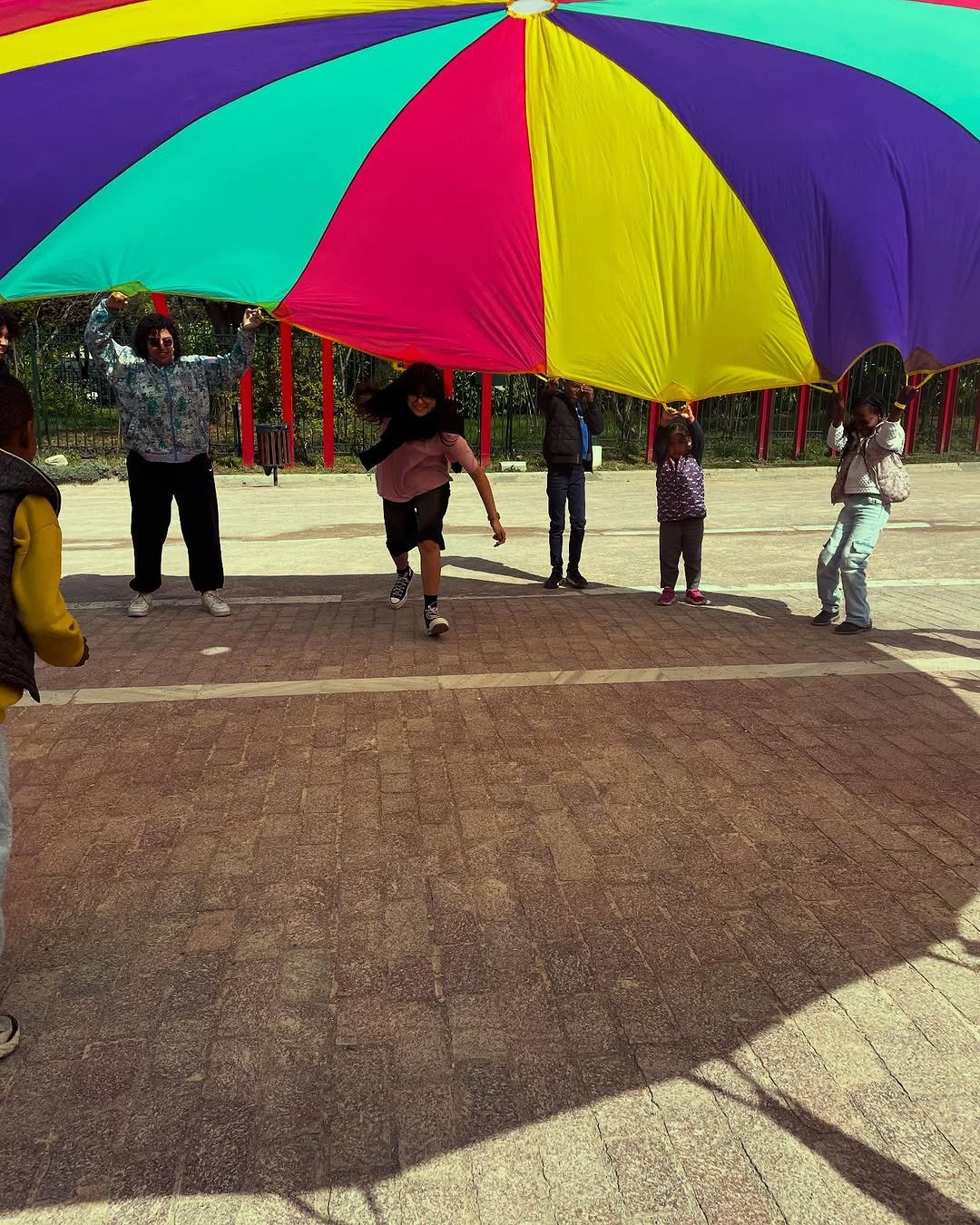
The programs are open to all and voluntary in nature—that is, they are free of charge and any citizen can organize them. The participants and organizers of the programs determine their frequency together. A weekly regularity is usually recommended. At the same time, camps are held, usually during school holidays, which allow participants to experience a broader collective context of the programs. These collective moments have a deeply transformative influence on the participants, and often inspire them to mobilize collectively to serve needs in their social environment.
Gradual Formalization of the Institute in Wider Society
The gradual development of the institute leads it to various levels of formalization of an educational organization. A simple example across the country is the sporadic collaborations between local inhabitants with local organizations and authorities. The fruit of these collaborations often consist of social actions (such as the beautification of walls in cities, tree planting, etc.) or local day camps for primary and secondary school students, especially during school holidays. In addition, so far within Attica there are two educational centers of the institute (one in Athens and one in Galatsi) where citizens can utilize them to carry out the educational programs. At the same time, many of the participants express that they experience the main impact of the programs in their personal lives (in their homes, with relatives, with neighbors, with acquaintances and friends), allowing these programs to transform their lives on a daily basis.