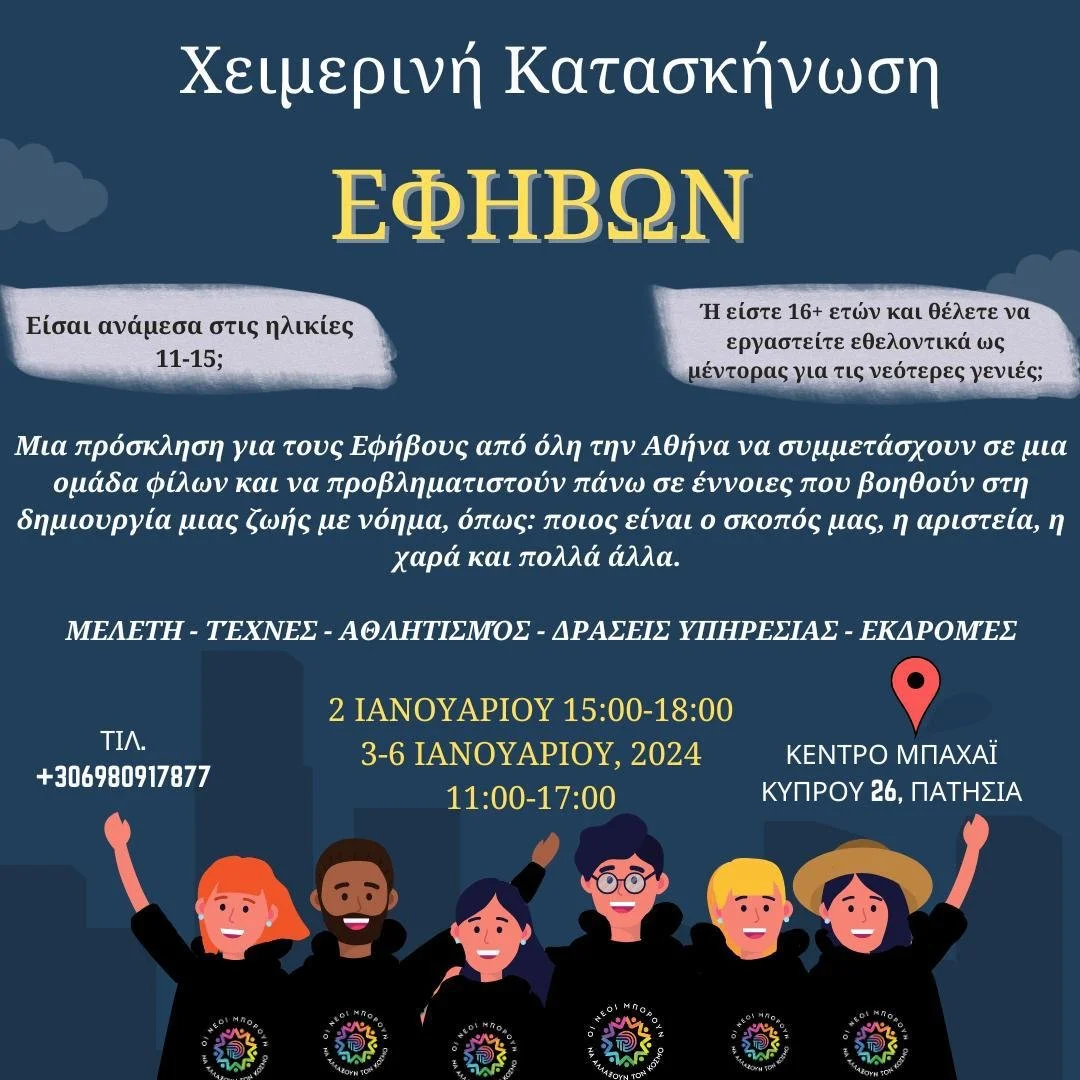
Junior Youth Program, ages 11-15
The training institute sees in young adolescents, between the ages of 11-15, a reservoir of potential. The program for junior youth aims to release their potential — namely, their talents, their energy, their insightful ideas — so they can bring about meaningful change to their society.
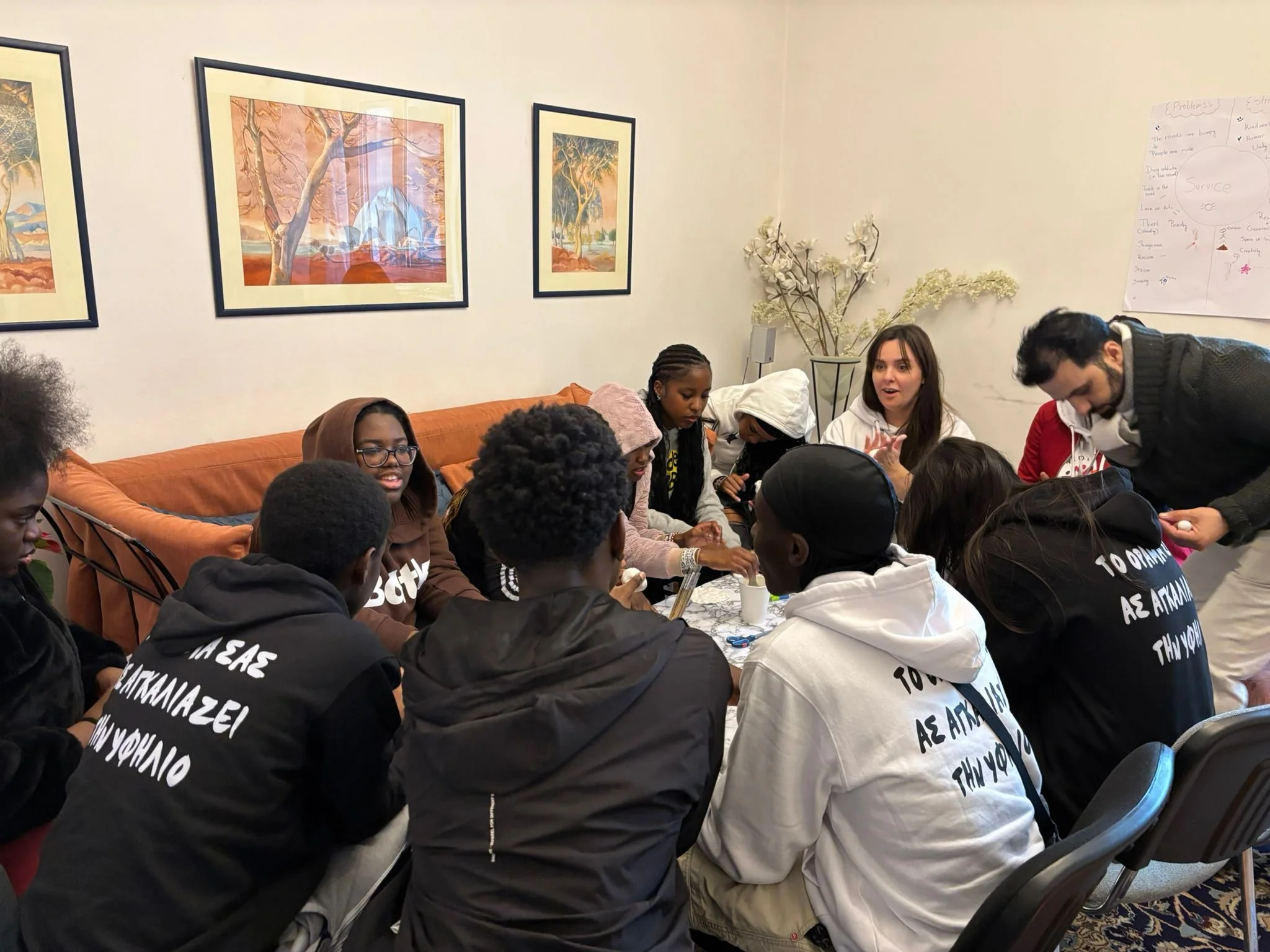
Essentially, the program provides a safe environment, where the junior youth can consult with the aid of an older person—an animator—who tries to be a positive role model and friend for them.
Animators encourage junior youth to share their thoughts and ideas fearlessly, and support these ideas until they are put in practice. By putting their ideas to practice, with their immense energy, junior youth are transforming their lives and their surrounding society.
Some examples of such ideas have been as follows:
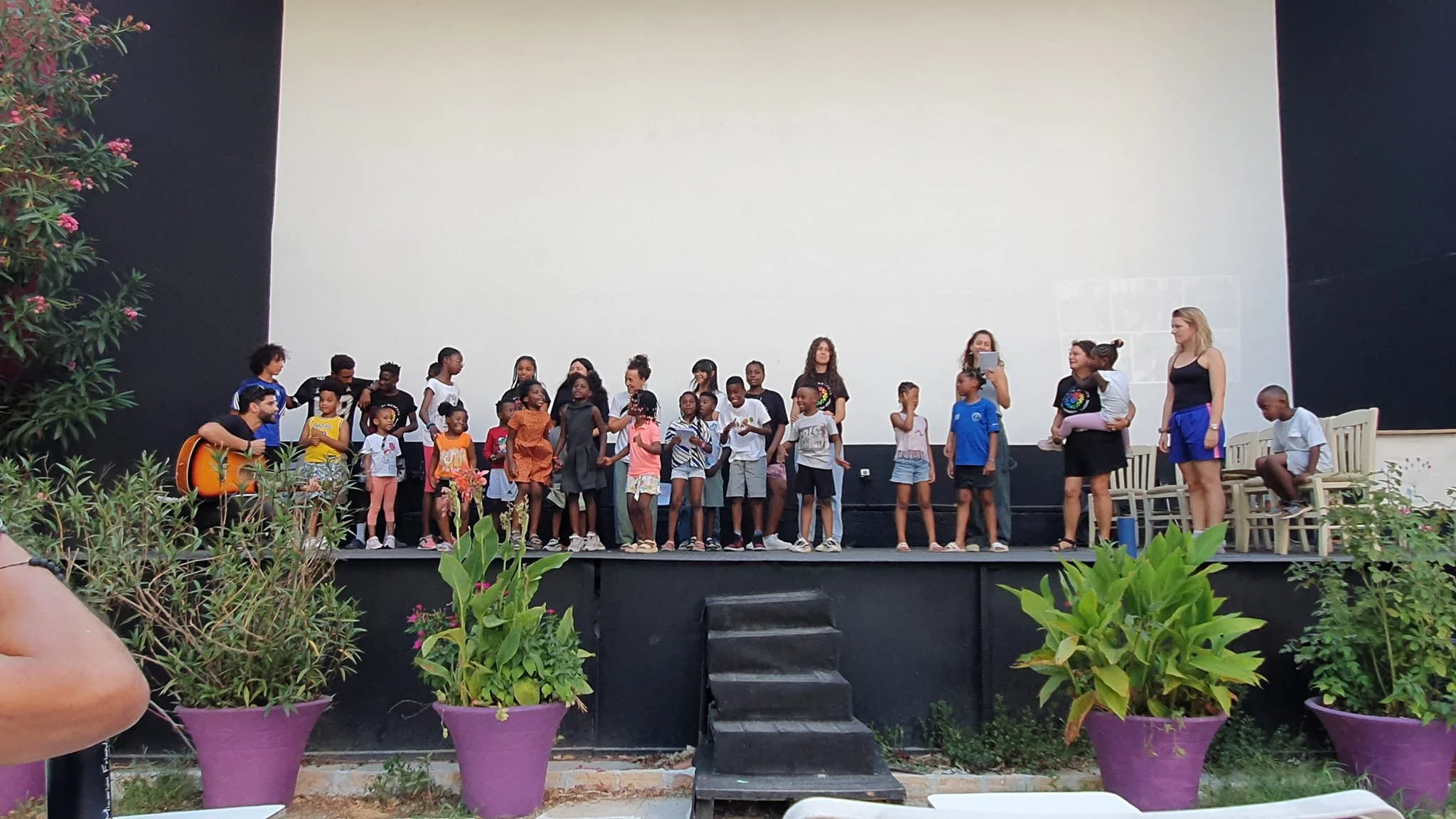
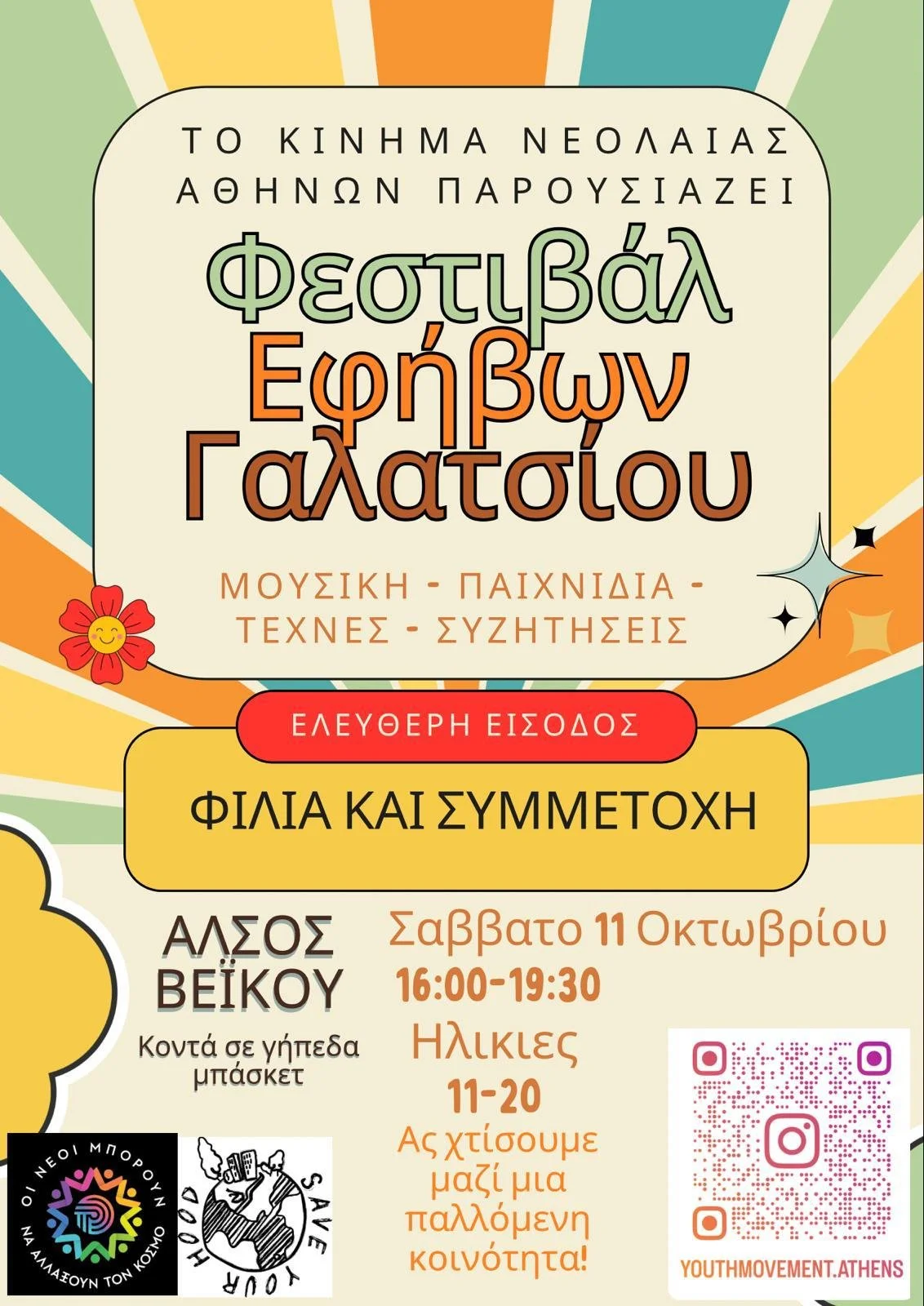
Artistic performances for events (like theatre, hip hop dance, singing)
Social action projects in their vicinity (like cleaning parks, tree planting)
Organising simple classes and activities for young children
The program is open to everyone, with parental consent. Any citizen can become an animator for the program by completing the corresponding training provided.
Elements of the Program
Role Models
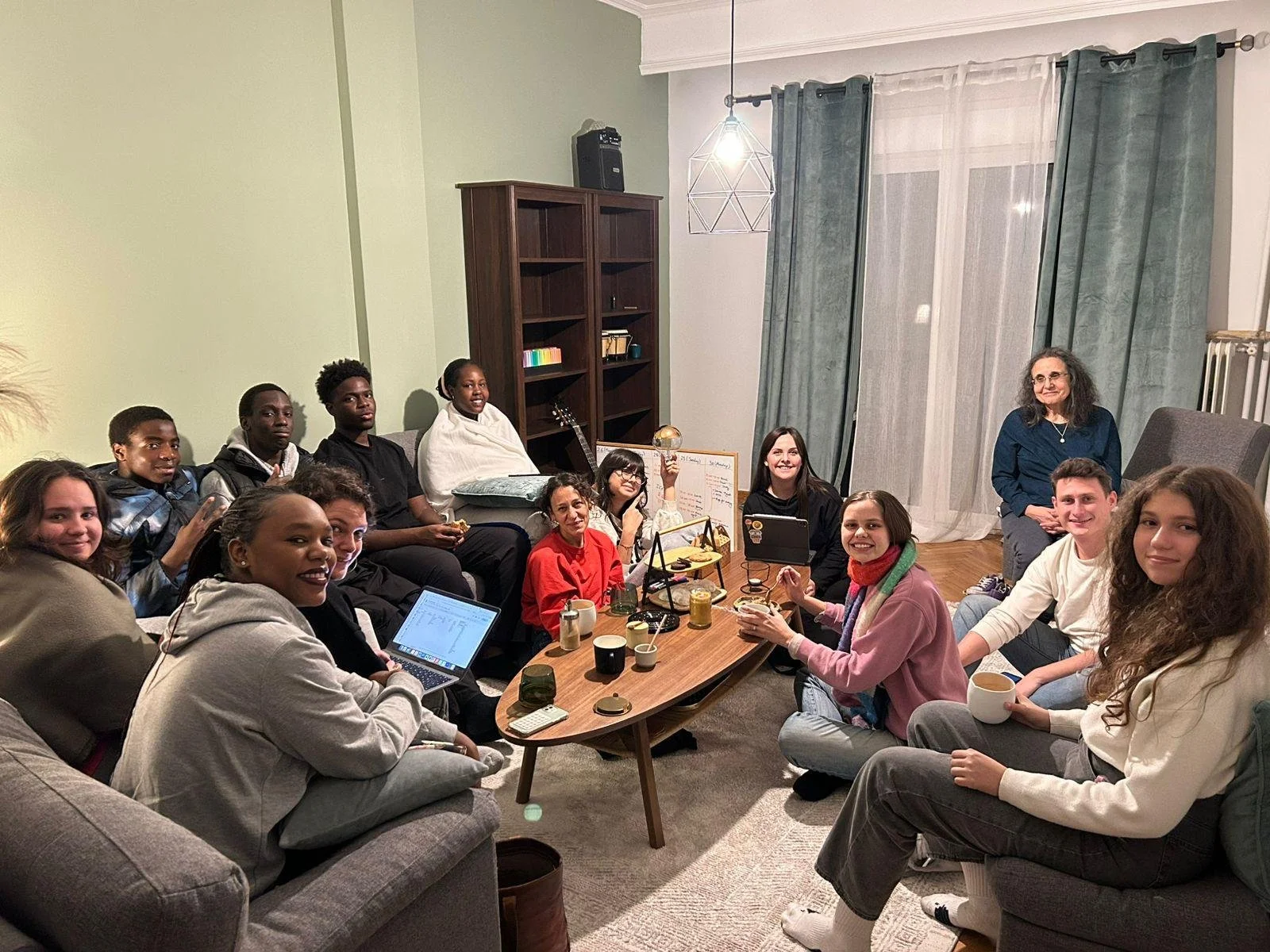
With a profound understanding of the transformative period of adolescence, the Junior Youth Spiritual Empowerment Program guides young individuals aged 12 to 15 towards selfless service and personal growth. Young adults “animate” the Junior Youth program and serve are both role models and guides.
Service Projects
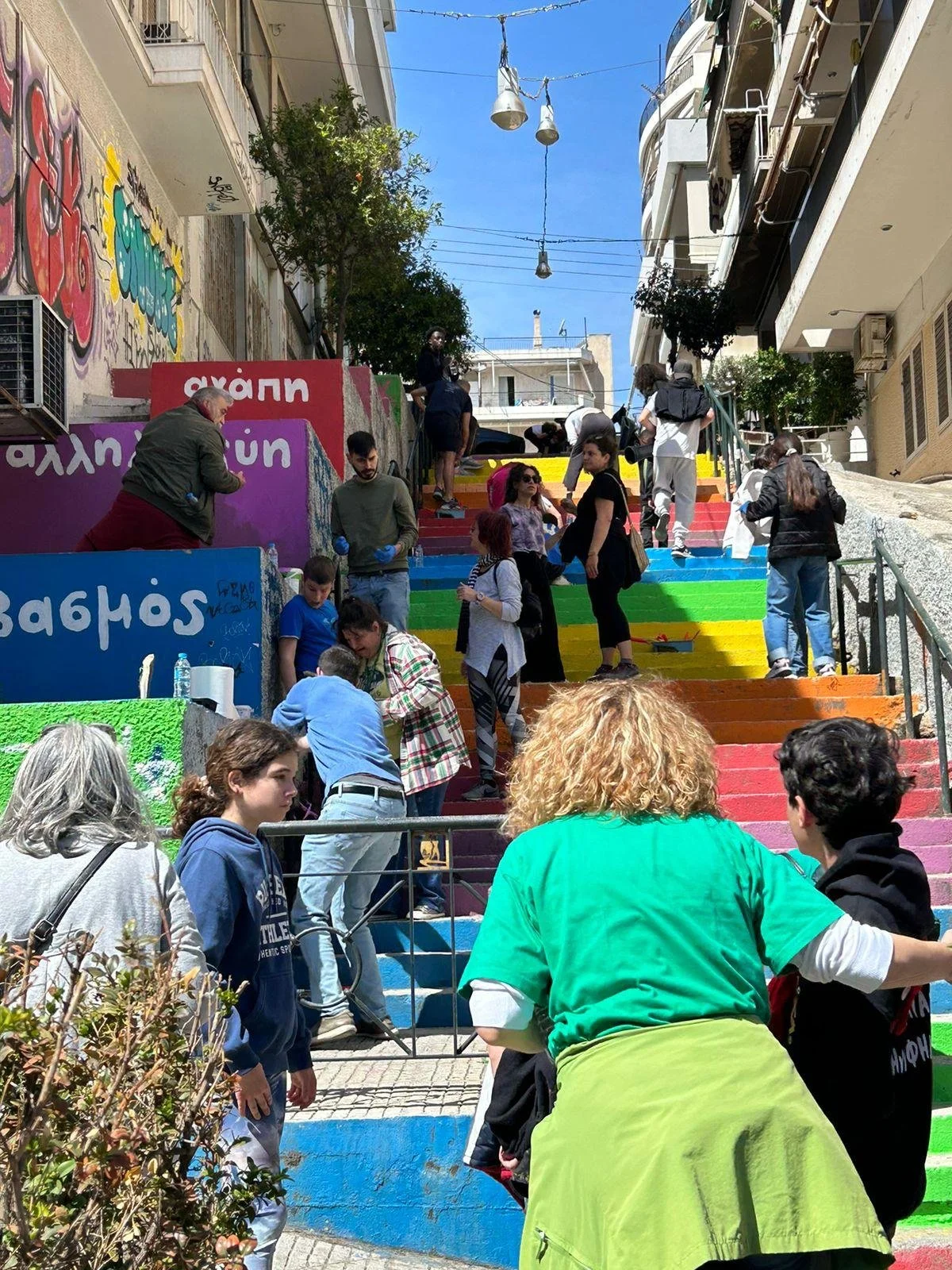
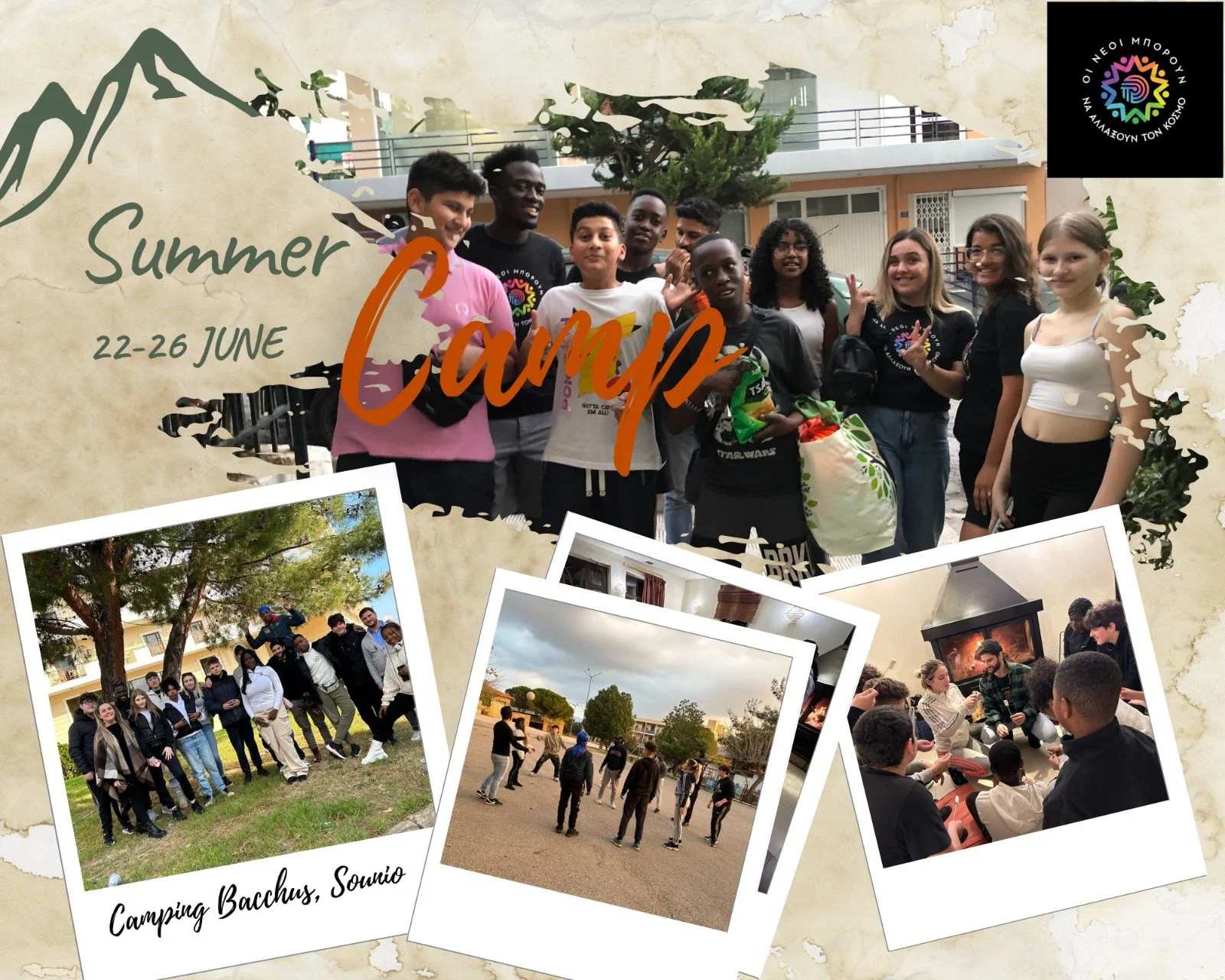
Wanting to put the values they have been learning into practice, Junior Youth groups consult together and organise projects they can do as a group to improve the condition of the neighbourhood, such as cleaning up parks, painting murals, looking after the elderly or teaching children.
Study of Materials
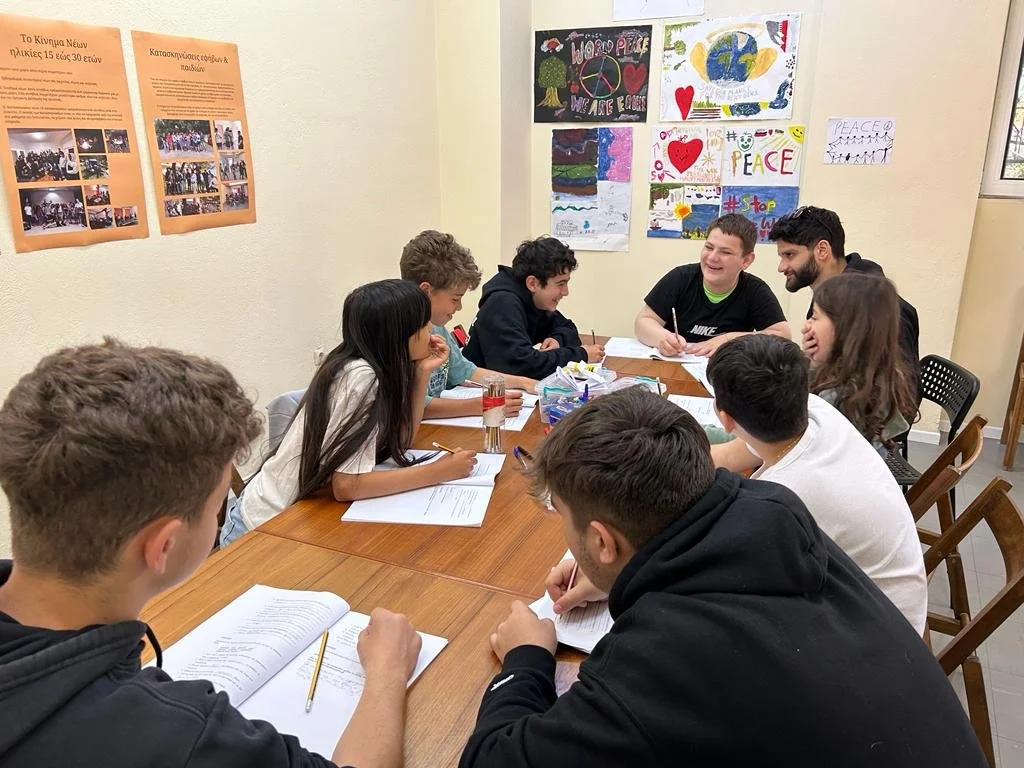
All materials focus on cultivating language skills and enhancing the power of expression. Several resources in the first category also address mathematical concepts and social issues, while others encourage a scientific approach to investigating physical, social, and spiritual realities. While the moral principles in the first group of materials are inspired by Bahá’í teachings, they are not religious texts, nor do they deal with explicitly Bahá’í topics.
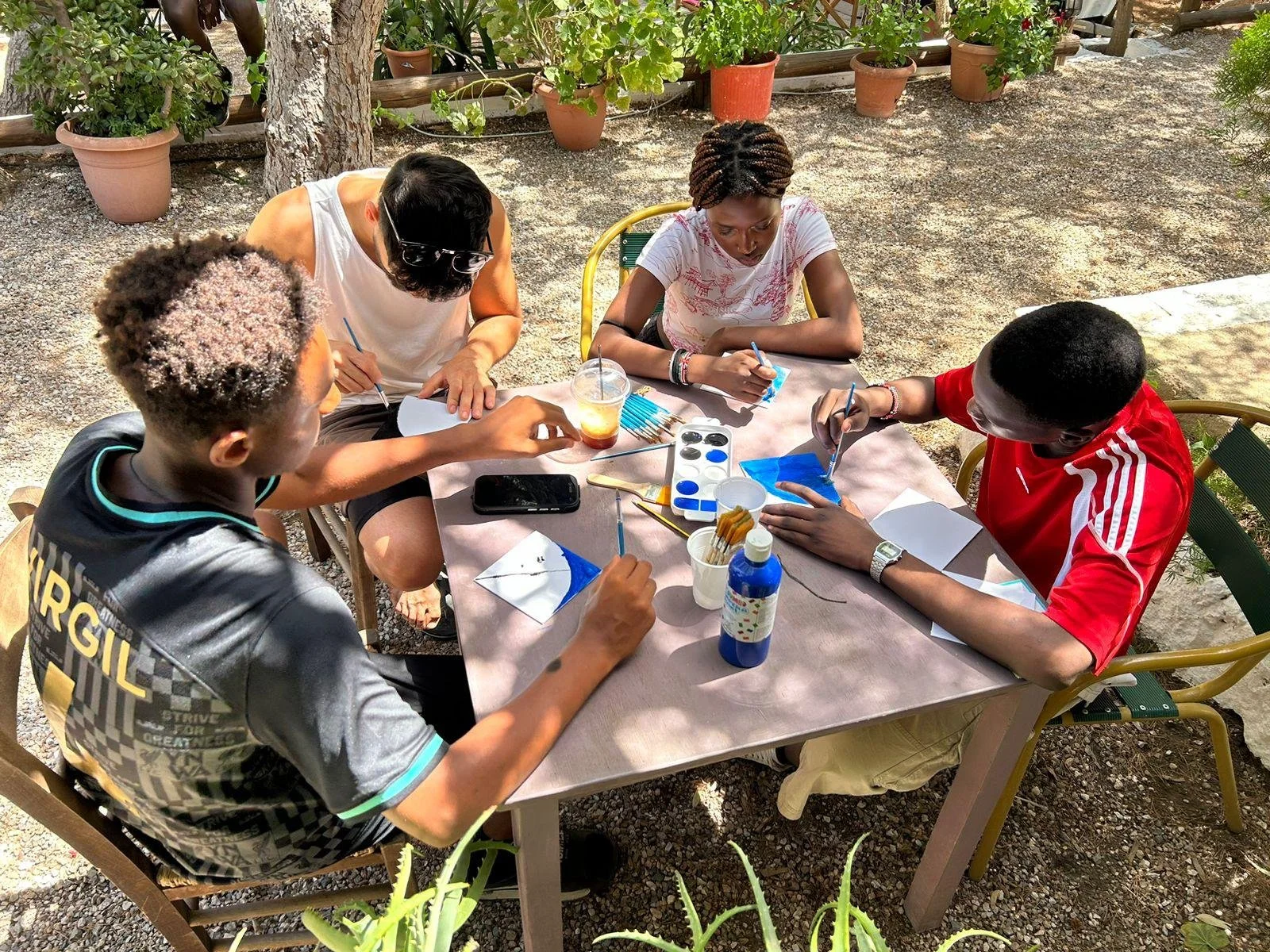
Arts and Crafts
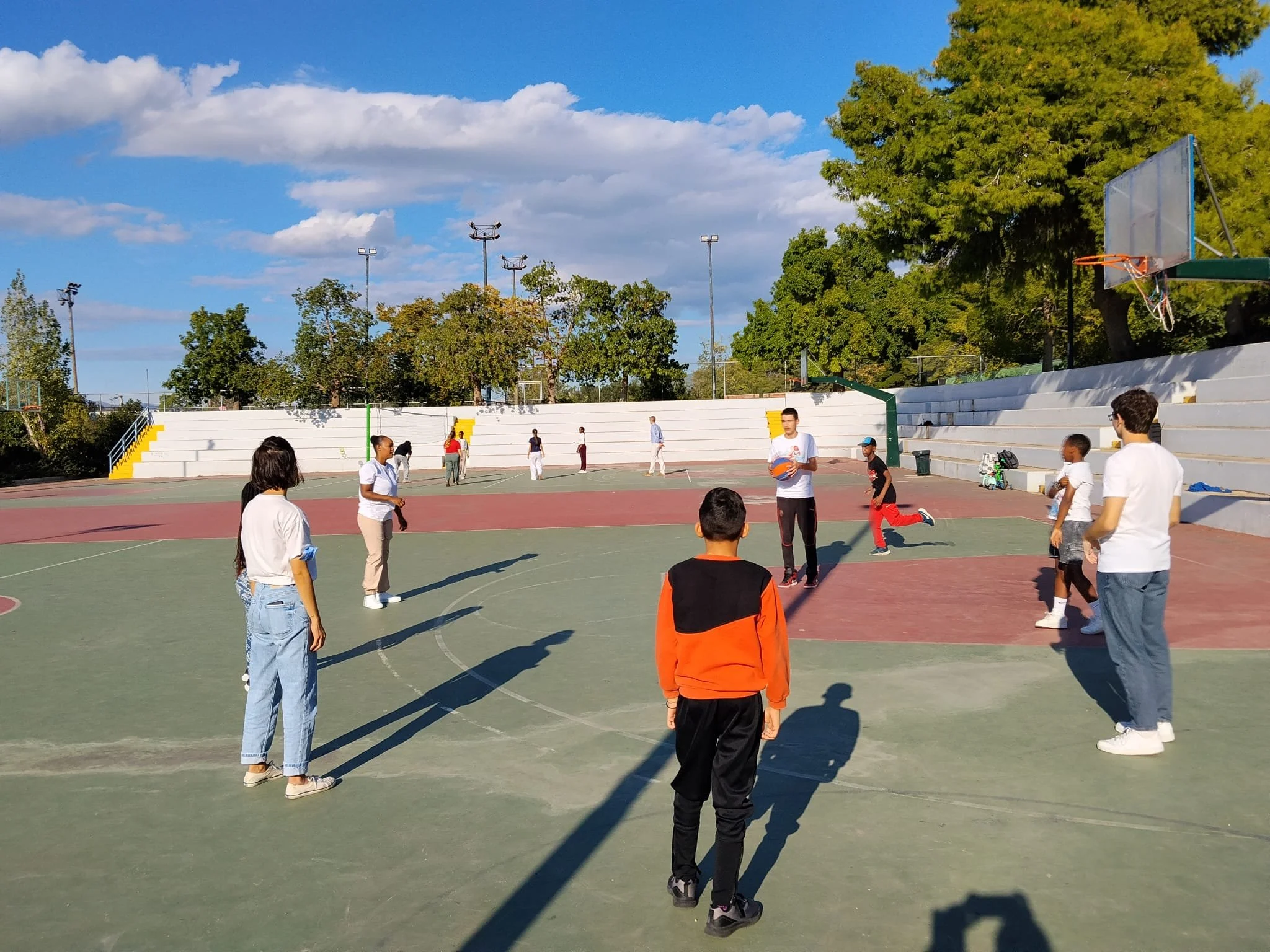
Sports
Contact Us